Body Moisturizer Types and Everyday Uses
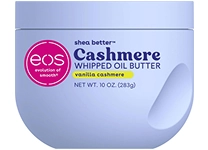
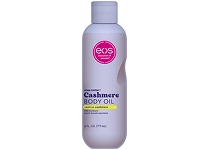
Body moisturizers help reduce the feeling of dryness and leave skin feeling softer after bathing or handwashing. Common formats include lightweight lotions, richer creams, thick body butters, ointments, and moisturizing oils. Lotions spread easily and suit broad, everyday application, while creams and butters offer a more substantial feel for areas that become especially dry. Ointments are typically oil-rich and may feel protective, whereas body oils can add slip and help seal in moisture when applied to damp skin. You can find fragrance-free options for a simpler routine, as well as scented formulas designed to add a noticeable fragrance. Understanding these differences makes it easier to choose a texture that feels comfortable, fits your routine, and suits the areas you want to moisturize.
- Compare lotion, cream, butter, ointment, and oil textures
- Choose fragrance-free or scented formulas to suit your preference
- Consider where and how often you plan to apply moisturizer
Ingredients, Formulas, and Skin Feel
A moisturizer's ingredients influence its texture, finish, and role in a skin-care routine. Humectants such as glycerin attract water to the outer layers of skin, while emollients help soften rough-feeling areas. Occlusive ingredients, including petrolatum, can form a surface layer that slows moisture loss. Many formulas combine these ingredient types. Ceramides are commonly included in products intended to support the skin barrier, and ingredients such as colloidal oatmeal appear in products made for dry or sensitive-feeling skin. Read the full ingredient list if you prefer to avoid fragrance, certain oils, or other specific components. Terms such as non-greasy, fast-absorbing, and rich describe a product's intended feel, but individual preferences vary. Choose a formula based on both its ingredients and how it feels during use.
- Look for humectants, emollients, and occlusive ingredients
- Check ingredient lists for fragrance or personal exclusions
- Compare finish and absorption preferences
Moisturizers for Different Skin Needs
The right body moisturizer depends on where dryness occurs, your preferred texture, and how your skin responds to products. Lightweight lotions can be convenient for full-body use or warmer routines, while richer creams may appeal to people seeking a more substantial feel on elbows, knees, hands, or legs. For easily irritated or sensitive-feeling skin, some shoppers favor fragrance-free formulas with shorter ingredient lists; patch testing a new product can help you assess personal compatibility. Very dry-feeling areas may benefit from a thicker balm or ointment, applied as directed on the label. For daily comfort, consistency matters: a product that spreads easily and feels pleasant is more likely to fit your routine. If a skin concern is persistent, painful, or worsening, seek advice from a qualified health professional rather than relying on a cosmetic moisturizer alone.
- Match texture to the area and level of dryness
- Consider fragrance-free options for sensitive-feeling skin
- Patch test new formulas and follow product directions
How to Apply and Maintain a Moisturizing Routine
Apply body moisturizer to clean skin, ideally soon after bathing while skin is still slightly damp, unless the product label gives different directions. Smooth it over the desired areas without vigorous rubbing, and use additional product on spots that tend to feel dry. Lotions often work well for quick, larger-area application; creams and body butters can be useful when you prefer a richer layer. Keep hands clean when using products in jars, and close caps or lids after use to help protect the formula. A pump bottle can make frequent application convenient, while a travel-size container may suit a gym bag or overnight kit. Avoid sharing personal skin-care products, and discontinue use if a formula causes an unwanted reaction. Follow storage guidance and discard products that have passed their stated period of use after opening.
- Apply to clean, slightly damp skin when suitable
- Use pumps or jars according to your routine
- Follow label directions and product storage guidance
Compare Body Moisturizer Features and Brands
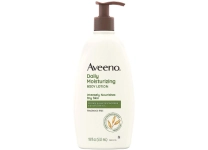
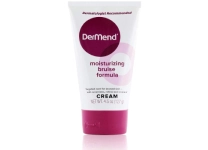
When comparing body moisturizers, consider the format, ingredient profile, fragrance, package size, and intended use rather than relying on a single product claim. A pump lotion may suit regular full-body use, while a tube of cream can be practical for targeted application. Check whether the formula is designed for hands, body, or both, and compare the amount of product with how often you expect to use it. Brands commonly associated with body moisturizers include CeraVe, NIVEA, Eucerin, Aveeno, and Cetaphil; each offers different product lines and formulations, so read individual labels carefully. Ubuy can be used to discover international products and compare product details in this category. Review ingredient information and packaging descriptions to determine whether an item fits your preferences before making a selection.
- Compare format, size, ingredients, and intended use
- Explore established brands and individual product lines
- Use product details to assess suitability before purchase
Select the Right body moisturizers
Start by identifying the main purpose of your purchase: daily full-body hydration, care for dry-feeling areas, a fragrance-free routine, or a richer finish. Next, choose a format that matches your application habits and preferred skin feel. Review the ingredient list for components you want to include or avoid, and check the packaging size, dispenser style, and directions for use. If you are comparing several options, look beyond labels such as lightweight or intensive and assess the full product description. Ubuy offers a way to discover international body moisturizer products and review available product information while exploring different formats and brands. Keep your routine simple enough to follow consistently, and introduce unfamiliar formulas one at a time so you can notice how your skin responds. The best choice is the one that fits your needs and feels comfortable to use.
- Define your skin-care goal and preferred texture
- Check ingredients, directions, and packaging details
- Choose a formula that fits a consistent routine