Kitchen Storage Organizer Types and Uses
A kitchen storage organizer helps turn cabinets, drawers, counters, and pantry shelves into easier-to-use spaces. Common options include drawer dividers for cutlery and utensils, shelf risers for cups and dishes, turntables for condiments, and pull-out baskets for cabinets. Pantry organizers range from stackable bins and canisters to tiered spice racks, while sink caddies and under-sink shelves keep cleaning supplies together. Countertop racks can hold frequently used tools, fruit, or dishes, and wall-mounted rails make use of vertical space. Choose products around what you store and where you plan to use them: a narrow cabinet may suit a sliding basket, while an open shelf may work better with labeled bins. At Ubuy, shoppers can explore kitchen organization products across a range of styles and formats.
- Drawer, cabinet, pantry, and countertop options
- Organizers for food, cookware, utensils, and supplies
- Choose by storage location and everyday use
Materials, Construction, and Design Features
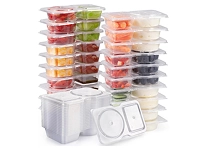
Material affects an organizer's appearance, durability, cleaning needs, and suitability for different kitchen environments. Stainless steel and coated metal are popular for racks and baskets that need a sturdy frame; inspect joints and finishes when comparing designs. Plastic bins are lightweight and often easy to wipe clean, while clear sides make contents visible. Bamboo and other wood options can bring a natural look to drawers or countertops, but care instructions may differ from those for metal or plastic. Look for smooth edges, stable bases, and surfaces that are simple to clean. Ventilated baskets can help air circulate around stored produce, whereas sealed containers are more appropriate for dry goods that benefit from protection. Handles, non-slip feet, stackable profiles, and removable inserts can make everyday access more convenient.
- Compare metal, plastic, bamboo, and wood
- Check stability, finish, and cleaning requirements
- Consider handles, ventilation, and stackability
Measure Your Space and Check Compatibility
Accurate measurements help prevent an organizer from blocking cabinet doors, drawers, plumbing, or nearby appliances. Measure the usable width, depth, and height of the intended space, accounting for hinges, drawer slides, shelf lips, and pipes. For a pull-out organizer, check the opening as well as the interior dimensions and confirm how the mounting system attaches. Drawer dividers should fit the drawer's inside measurements, while shelf risers need enough clearance for items above and below. Consider the size and weight of the objects you intend to store; cookware, jars, and stacks of dishes may require a more substantial structure than tea bags or napkins. Product specifications can clarify whether a design is adjustable, expandable, stackable, or intended for a particular cabinet layout. Ubuy offers a place to discover international kitchen organization products and compare their listed features.
- Measure usable space, including obstructions
- Check mounting style and product dimensions
- Match capacity to the items being stored
Smart Storage for Pantries, Cabinets, and Drawers
A practical kitchen layout groups related items so they are easy to find and return. Use pantry bins for packets, snacks, baking supplies, or smaller packaged foods, and choose canisters suited to the quantities you keep on hand. Tiered shelves can make spice jars and cans easier to see, while a lazy Susan brings bottles within reach on deep shelves. In cabinets, plate racks, lid holders, and vertical dividers can separate cookware and serving pieces instead of stacking them in hard-to-reach piles. Drawer organizers help sort cutlery, cooking tools, and small accessories; adjustable compartments can accommodate changing collections. Keep heavier items on stable lower shelves and reserve accessible areas for frequent-use essentials. Labels may help maintain a consistent system, particularly in shared kitchens, but transparent containers can also make contents visible at a glance.
- Group items by task or food type
- Use tiered storage to improve visibility
- Keep frequently used essentials accessible
Care, Maintenance, and Everyday Organization
Simple upkeep helps kitchen organizers remain functional and keeps stored items orderly. Follow the product's care guidance, especially for wood, bamboo, coated metal, and removable components. Wipe spills promptly, allow damp parts to dry, and clean bins before placing food packages or kitchen tools inside. Avoid overloading racks or baskets beyond their stated capacity, and periodically check fasteners and mounting points on wall-mounted or pull-out designs. Reassess the arrangement as cooking habits change: relocate seasonal tools, remove items that no longer belong, and return frequently used products to convenient positions. Food storage containers should be clean and dry before refilling, while open baskets may need more frequent dusting. A well-planned organizer should make routines simpler rather than add extra steps, so prioritize accessible placement, clear categories, and a layout that is easy for everyone in the household to maintain.
- Follow material-specific care instructions
- Keep containers clean and dry
- Review placement and capacity periodically
Select the Right kitchen storage organizer
Start by identifying the clutter you want to solve, then choose an organizer made for that location and category of items. Compare dimensions, usable capacity, construction, mounting method, and ease of cleaning before deciding. Adjustable dividers and expandable racks can offer flexibility, while fixed compartments may provide a more structured fit. For visible countertops, consider how the organizer's color and finish work with the surrounding kitchen; for enclosed cabinets, prioritize access and efficient use of space. Check whether components are removable or stackable if your storage needs may change. Brands such as Joseph Joseph, OXO, Simplehuman, and mDesign are recognized in kitchen organization, though product features vary by model. Ubuy can help shoppers discover international options and compare product details. Choose a design that suits your measurements, storage habits, and preferred maintenance routine.
- Prioritize fit, function, and capacity
- Compare construction and care needs
- Choose a layout that suits your routine